

بستن
0 محصول
مشاهده سبد خرید
When I’m assessing a digital product across markets, the first thing I look for is whether the operator can actually prove its standing before a player puts money down. That mindset carries straight over from the sportsbook and racing desks I’ve built in the UK and Europe, where a missing compliance layer would stop a launch before it started. For Australian adults 18+ weighing an MGA certified platform check, the real question isn’t the badge itself but what the player can see, test, and confirm in the first few minutes on site. A practical run-through of the interface, the localisation choices, and the everyday usability tells you far more than a footer logo ever will.
That same insistence on verifiable credentials shapes how go to the company site I evaluate online gaming operators, because a polished interface means little without a transparent licensing footprint. I always trace the operator’s regulatory disclosures back to the source, which is why I cross-reference every claim against https://mega-joker-au.net/. When the paperwork aligns with the platform’s promises, the product earns a place in my review; when it doesn’t, I walk away before the first wager is placed.
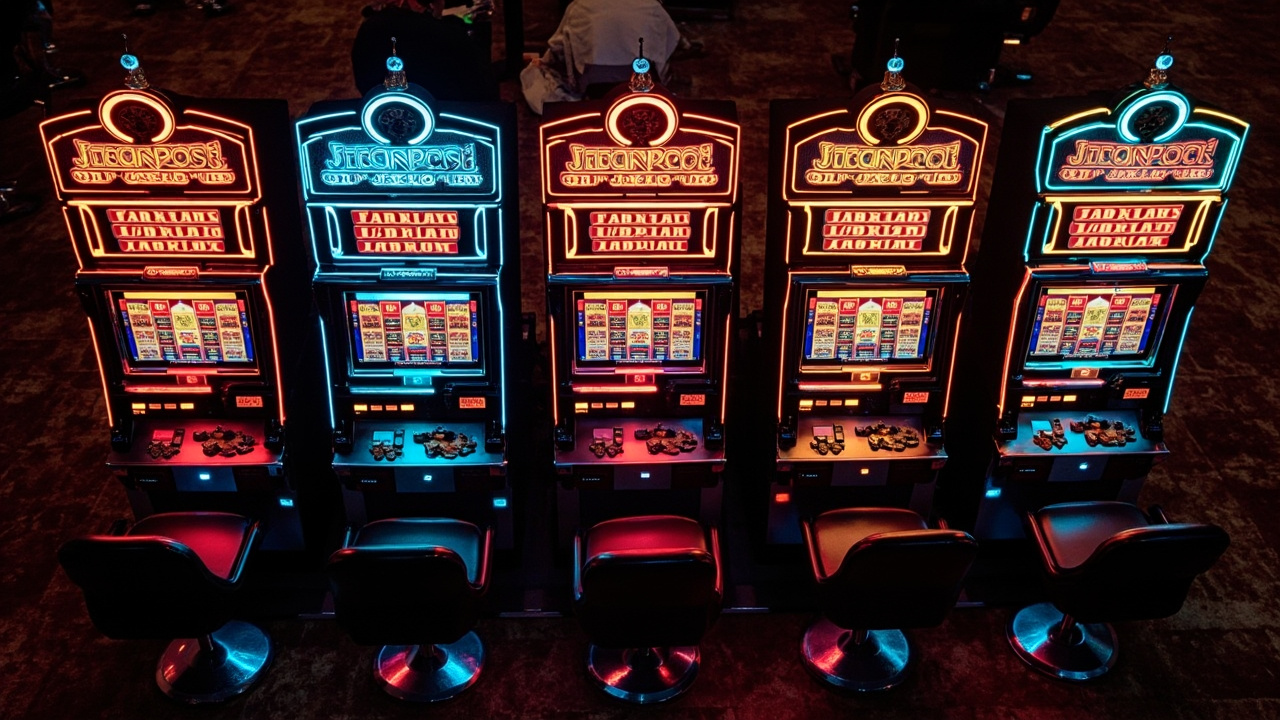
The moment a player opens a regulated site, the MGA certified platform check should be something they can trace without hunting through menus. In practice, that means the licence reference sits in a fixed spot, the game lobby loads with clear provider tags, and the currency toggle reflects the account’s actual settlement path rather than a cosmetic swap. I’ve seen European operators treat this as a compliance afterthought, burying the detail behind a generic responsible gaming link, and it always shows up in the way the lobby behaves when a new title drops. A properly localised interface keeps the navigation flat, the search bar responsive to provider names as well as game titles, and the bonus terms visible in plain language before a player commits to a deposit. When I’m comparing that to the way UK sportsbooks surface market data and settlement rules, the pattern is the same: if the information isn’t readable in the first session, the product isn’t ready for a serious audience. A player doing their own MGA certified platform check should be able to confirm the licence number, read the wagering structure without cross-referencing three separate pages, and see the payment options listed in the same currency they intend to use.
The visual identity matters because it shapes how quickly a player can move through a session without second-guessing the layout. A clean lobby, consistent iconography, and a search function that actually narrows results by provider or category make the difference between a site that feels built for regular use and one that feels assembled for a quick glance. Localisation goes further than translating a few headings; it shows up in how the account setup handles Australian-format phone numbers, how the currency displays during a deposit preview, and whether the support options reflect the hours a local player would actually log in. I’ve worked on product rollouts where the UK and European versions shared a codebase but diverged completely on the front end, and the versions that respected local habits kept users sticking around far longer. A player running an MGA certified platform check should notice whether the registration flow asks only for what it needs, whether the mobile layout keeps the same game depth as the desktop view, and whether the loyalty prompts feel like a natural extension of play rather than a pop-up interrupting it. Down in Cairns, where sessions often run around work shifts and long arvos, a site that respects that rhythm with clear navigation and predictable menus is the one that earns repeat visits.
Comparing the Australian situation with international practice is useful because it highlights what a player should actually look for rather than what marketing copy promises. In the UK and parts of Europe, operators lean heavily on visible licence references, published game-provider lists, and settlement details that are easy to find before a deposit, and that habit has shaped how I judge a product’s readiness. New Zealand’s market pushes a different expectation around responsible settings and clear local language, while the United States splits compliance across state-level regimes that make the licence detail even more central to a player’s decision. None of that translates into offshore casino play being licensed or regulated here, and Australian adults should treat any MGA certified platform check as a way to verify what the operator presents, not as a substitute for local legal reality. Cameron Walsh, Digital Acquisition Director, Southern Capital Advisory, puts it plainly: “A licence reference only matters if a player can find it, read it, and connect it to the product they’re actually using.” Hannah Kelly, Commercial Director, Gold Coast Gaming Network, notes that the practical test is whether the interface holds up during a busy session, not just during a quiet first look. Emily Williams, Gaming Technology Consultant, Oceanic Gaming Strategy, adds that localisation quality is often the first sign a platform has been built for regular use rather than a quick promotional window.Casino online con software certificato: what
A solid MGA certified platform check comes down to what a player can confirm in the first few minutes: the licence detail is visible, the lobby and search behave the way a regular user would expect, and the localisation reflects the account and currency they actually intend to use. Treat the interface as the real test, keep expectations grounded in what the operator presents, and let the everyday usability decide whether the platform earns a second session.
در زیر میتوانید پاسخ سوالات خود را بیابید. در غیر این صورت از ما بپرسید، ما همیشه به سوالات شما پاسخ خواهیم داد. (جهت ویرایش این قسمت به پیکربندی پوسته > تب متفرقه > سوالات متداول مراجعه نمایید.)

دیدگاه های نامرتبط به مطلب تایید نخواهد شد.
از درج دیدگاه های تکراری پرهیز نمایید.