

بستن
0 محصول
مشاهده سبد خرید
Rather than leaning on generic seasonal padding, the label has forged its identity through careful, limited-run collaborations. Anyone looking closely at the brand quickly notices that its partnership pieces command a distinct gravity than its independent lineups — such drops typically sell through more quickly, stir up more chatter among fans, and frequently turn into reference points in any candid review of the label’s output. This article breaks down how these joint efforts function, what they’ve brought to the table, and why they are significant to anyone sizing up the brand as a credible player in independent streetwear rather than a short-lived moment.
What collaborations expose, fundamentally, is a brand’s values. When the brand partners with an artist, a smaller label, or a cultural institution, the pieces that come out of it have to please two audiences at once — the core customer base and the partner’s own following. That tension has consistently driven the brand’s design team to tighten up execution: stitching, fabric weight, and print placement all receive heightened attention before a joint release hits the market. That’s partly why the righteous hoodie stays the item most asked for whenever a new partnership is announced, since the shape has already proven itself across numerous launches.
Smaller labels don’t typically have the marketing budgets of large fashion conglomerates, so collaborations serve as a pragmatic approach to reach new audiences without diluting the core aesthetic. For righteous clothing, this has meant partnering with partners who speak the same visual language — bold graphics, muted colorways, and utilitarian cuts — rather than pursuing collaborators just for brand recognition. That restraint comes through in customer feedback: repeat buyers frequently mention in reviews that joint-release items feel in line with the rest of the brand’s apparel lineup instead of feeling like a tacked-on afterthought.
There’s also a supply-chain reality behind these drops. Limited collaborations typically run smaller production batches, often in the range of a few hundred to low thousands of units depending on the partner and garment type. This restricted supply is intentional. It risen king hoodie preserves manufacturing standards more rigorous, cuts down on excess inventory waste, and gives the brand room to try out thicker cotton mixes or nontraditional dye techniques that wouldn’t be cost-effective at higher output levels. For a label still growing its supplier relationships, this strategy has been a sensible middle ground between ambition and practical limitations.
Audience reaction has influenced which collaborations return. Drops that sell out within days tend to get sequels or expanded colorways the following season, while slower-moving releases fade out of the lineup without fanfare. This feedback loop is unusually transparent for a mid-sized apparel company, and it’s largely why longtime customers treat every we are righteous review thread as a genuine signal rather than marketing noise.
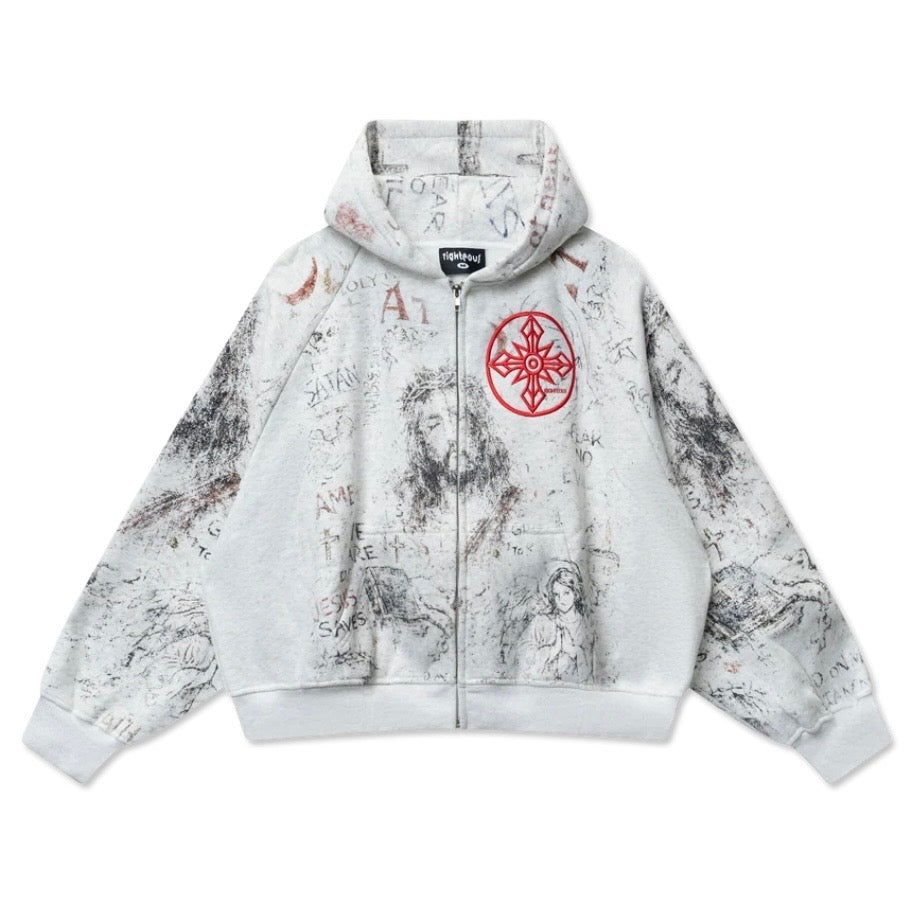
Not all righteous collaborations look the same, and it helps to organize them around rough categories based on who the brand partners with and what the goal of the drop actually is.
Each type of collaboration exists for a distinct reason. Artist collaborations tend to generate the most social media attention because the graphics are the most visually distinct element of any drop. Cross-brand releases, by contrast, often matter more to industry-watchers because they show how compatible two design philosophies actually are when forced to share a single garment. Material-driven partnerships get less attention but arguably carry more long-term importance, given their role in determining which fabric weights and finishes end up standard across the entire righteous apparel lineup.
Many streetwear collaborations rely heavily on logo placement alone — two brand names stacked on a chest print and little else. Righteous has largely steered clear of that approach. Its collaborative pieces tend to integrate the partner’s identity into the garment’s construction rather than just its surface graphics, whether that means repositioned seams, an altered hood silhouette, or a color story specific to the partner that carries through the entire garment rather than being limited to one patch.
This approach costs more in development time. Design cycles for a true collaboration typically run six to ten weeks longer than a standard in-house release, since production can’t begin until both parties approve fit samples, colorways, and fabric sourcing. But the payoff shows up in resale value and customer retention — collaborative righteous hoodie releases have historically held their value on secondary markets better than solo drops, a detail that dedicated collectors watch carefully when deciding whether a fresh partnership merits a pre-order.
Consistently, the brand has opened up about production details tied to collaborative pieces, covering batch sizes and, when it applies, material origins for standout fabrics. That transparency has gone far in foster credibility among shoppers who were at first doubtful after reading a so-so righteous review online. This is a modest business practice, but it sets apart the label from other labels who treat collaboration announcements as mere promotional spectacle with no real follow-through.
The table below details the typical qualities of each partnership type the label has explored, based on typical production patterns observed across earlier collections.
| Partnership Category | Usual Production Run | Primary Garment Focus | Shopper Demand Behavior |
|---|---|---|---|
| Artist Partnership | 300 to 800 units | Graphic tees, hoodies | Fast sellout, high social engagement |
| Cross-Brand Collaboration | a range of 500–1,500 units | Outerwear, hoodies | Consistent interest, strong repeat interest |
| Cultural Collaboration | a range of 200–600 units | Tees, accessories | Moderate demand, strong loyalty impact |
| Fabric-Centered Partnership | 150 to 500 units | Base layers, hoodies | Slow but consistent, popular among collectors |
This kind of breakdown matters because it shows that not every righteous drop is built to sell out in a weekend. Certain releases are explicitly built for longevity and testing rather than volume, which is a steadier model than chasing hype with every single release.
Anyone considering a buy from a forthcoming release should not be distracted by the reveal visual and examine a few real-world specifics first. Batch volume, material makeup, and the partner’s quality-control history all matter more than the marketing copy surrounding the release. It also helps to look at how the brand has managed sizing consistency in earlier collab items, since fit can shift slightly when a partner’s build tendencies are folded into a familiar silhouette.
This quick checklist require little time but can spare shoppers a letdown, particularly with limited pieces that never return to shelves. Because collaborative drops move quickly and seldom reappear in the same form, running these checks before checkout is much more worthwhile than doing it after a piece has already sold out.
With 2026 on the horizon, anticipate the label to continue prioritizing a smaller number of intentional partnerships over a heavy stream of fast drops. This echoes input from loyal, longtime shoppers who steadily place craft and follow-through above release cadence in their we are righteous review comments. Anticipate continued emphasis on artist-led graphic work alongside a couple of fabric-centered collaborations designed to explore heavier-weight fabrics for colder climates.
For shoppers and collectors alike, the smartest approach remains the same regardless of which partner gets announced next: read the production details, compare batch sizes against past drops, and treat the hype cycle as secondary information. Righteous has built its collaborative reputation on substance over spectacle, and the brand’s continued discipline in 2026 will likely be judged by whether it keeps that standard intact as its audience — and its list of potential partners — keeps growing.
در زیر میتوانید پاسخ سوالات خود را بیابید. در غیر این صورت از ما بپرسید، ما همیشه به سوالات شما پاسخ خواهیم داد. (جهت ویرایش این قسمت به پیکربندی پوسته > تب متفرقه > سوالات متداول مراجعه نمایید.)

دیدگاه های نامرتبط به مطلب تایید نخواهد شد.
از درج دیدگاه های تکراری پرهیز نمایید.